

Re-Root Canal Treatment in Kolkata
Home > Treatments > Endodontics > Re-Root Canal

26
Years of Excellence

NABH
Accredited

60+
Dental Professionals

12K+
Happy Patients

50+
Dental Treatments
Endodontics
Re-Root Canal
Microscope Root Canal
Single Sitting Root Canal
6292109993
What is Re-Root Canal Treatment?
Re-root canal treatment is a procedure performed when a previous root canal fails to heal properly or becomes infected again. It involves removing the old filling, cleaning the canal once more, and sealing it to prevent further infection. This treatment helps save the tooth from extraction.
Don’t let a setback ruin your smile. At Smile & Profile Dental Clinic, we’re experts in re-root canal treatments, giving your teeth the care they deserve. Reach out today and get back to smiling confidently.
Our Clinic Locations
Could You Benefit from a Re-Root Canal? Take this Quick Quiz to Know
How does a Re-Root Canal Treatment Work?
A re-root canal treatment involves cleaning out the old filling and infection from the previous procedure. The dentist then seals the canal again to prevent further issues and restore the tooth’s health.
- Removes any residual infection from the previous root canal
- Ensures the tooth is completely sealed to avoid future complications
- Restores functionality and pain relief in the affected tooth
- Prevents the need for tooth extraction
- Involves fewer visits compared to starting a root canal from scratch
- Helps preserve the tooth for long-term use with proper care
Types of Re-Root Canal Treatment
Conventional Re-Root Canal
- Commonly used when a previous root canal fails to heal properly
- Involves removing the old filling and cleaning the canal again
- Ideal for addressing reinfection or incomplete cleaning
Surgical Re-Root Canal (Apicoectomy)
- Performed when conventional treatment is not sufficient
- Involves removing the tip of the tooth's root and any surrounding infection
- Typically used when the infection persists despite non-surgical treatment
Retreatment with Post Placement
- Recommended when a post and crown were used in the initial treatment
- Involves replacing the post and reinforcing the tooth structure
- Helps maintain the integrity and function of the tooth after reinfection
Conventional Biopsy
- Small tissue sample is removed from suspicious area
- Examined under a microscope for confirmation
- Considered the gold standard for diagnosis
- Done when other screenings show abnormal findings
Re-Root Canal Treatment vs Tooth Extraction
 Re-Root Canal Treatment
 Tooth Extraction
| Aspect | Re-Root Canal Treatment | Tooth Extraction |
|---|---|---|
| Purpose | Save and restore the tooth | Remove the damaged or infected tooth |
| Procedure | Involves cleaning, disinfecting, and sealing the root | Involves removing the tooth entirely |
| Recovery Time | Typically quicker with minimal discomfort | Longer healing time, especially if a replacement (implant) is needed |
| Longevity | Can last many years with proper care | Permanent loss of the tooth, requires replacement options like implants or dentures |
| Functionality | Tooth remains functional after treatment | Function of the missing tooth is lost, requires restoration |
| Risks | Risk of reinfection or incomplete healing | Risk of complications like infection or jawbone issues without proper replacement |
| Alternative | No need for a tooth replacement if successful | Requires a replacement (implant, bridge, or denture) |
Who Should Avoid Re-Root Canal Treatment?
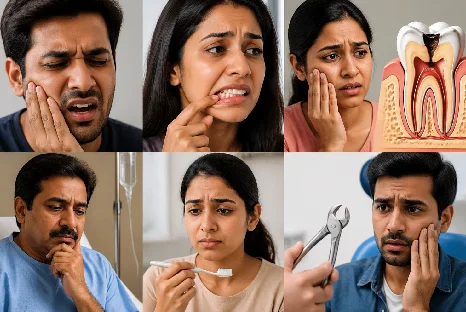
- Individuals with severe tooth decay that cannot be restored
- Patients with untreated gum disease around the affected tooth
- Those who have experienced multiple failed root canals in the same tooth
- People with a compromised immune system or systemic health issues that affect healing
- Individuals who are unable to commit to proper oral care after the procedure
- Patients seeking faster results and considering tooth extraction instead
Timeline of Re-Root Canal Treatment
- Consultation (10-15 minutes): This is a typical time for the initial assessment, where the dentist will review your symptoms, discuss the previous root canal, and perform a basic examination.
- Imaging and Examination (15-30 minutes): A standard X-ray or 3D scan is taken to assess the infection, root structure, and the effectiveness of the previous treatment.
- Re-Root Canal Cleaning (1-2 hours): The process involves removing the old filling, cleaning the canals, and disinfecting them to ensure all infection is removed. This may involve a microscope for better precision.
- Sealing and Filling (30-45 minutes): After cleaning, the canals are sealed to prevent reinfection, and a temporary filling is placed until the permanent restoration is ready.
- Permanent Restoration (30-60 minutes): Once the tooth has healed, a permanent crown or filling is placed to restore full functionality and protect the tooth from further damage.
How Long Do Re-Root Canal Treatment Results Last
Re-root canal treatment results can last many years, often 10-15 years or more, with proper care. However, the longevity depends on factors such as oral hygiene, the quality of the initial treatment, and overall dental health.
- Regular dental check-ups are essential to monitor the health of the teeth
- Maintaining good oral hygiene, including brushing and flossing, helps prevent reinfection
- Avoiding excessive pressure on the treated tooth by chewing on hard foods can prolong the results
- The tooth may require additional treatments if reinfection or damage occurs

After-Care Tips for Long-Lasting Results
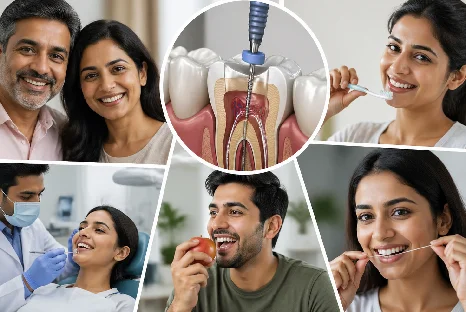
- Follow the dentist’s instructions on pain management and take prescribed medications as needed
- Maintain excellent oral hygiene, brushing twice a day and flossing carefully around the treated tooth
- Schedule regular check-ups with your dentist to monitor the tooth's health
- Use a night guard if you grind your teeth to prevent additional stress on the treated tooth
- Avoid smoking or using tobacco, as it can affect healing and increase the risk of reinfection
- If you experience any discomfort, swelling, or signs of infection, contact your dentist immediately


Frequently Asked Questions
Can every failed root canal be retreated?
Not always — if the tooth is fractured, severely calcified, or structurally compromised, extraction may be the only option.
Can the same dentist do the re‑root canal, or do you need a specialist?
Both general dentists and endodontists can perform retreatment, though specialists often handle more complex cases.
How soon can re‑root canal treatment be done after the first one?
It’s typically done as soon as your dentist confirms a persistent or recurring infection through examination and imaging.
Will you need a crown again after re‑root canal treatment?
Often, yes, a crown is usually recommended after retreatment to protect and strengthen the tooth.
What happens if you ignore symptoms after a root canal and don’t get retreatment?
Untreated re‑infection can lead to abscesses, worsening pain and potentially more invasive procedures like extraction.