

Sleep Apnea Treatment in Kolkata
Home > Treatments > Sleep Apnea

26
Years of Excellence

NABH
Accredited
60+
Dental Professionals

12K+
Happy Patients

50+
Dental Treatments
Treatments
Sleep Apnea
6292109993
What is Sleep Apnea Treatment?
Sleep apnea treatment focuses on keeping your airway open during sleep so you can breathe normally and rest properly. It may include lifestyle changes, devices like CPAP, or medical procedures, depending on the severity. The goal is simple—better sleep, improved oxygen flow, and reduced health risks.
Snoring louder than your alarm clock? At Smile & Profile Dental Clinic, expert care helps you breathe easy and sleep better. Book a consultation today.
Our Clinic Locations
Snore Alert: Harmless Habit or Hidden Problem? Take this Sleep Apnea Quiz to Find Out
How does Sleep Apnea Treatment Work?
Sleep apnea treatment keeps your airway open during sleep using airflow support (like CPAP), oral devices, or corrective procedures. This prevents breathing pauses, maintains oxygen levels, and restores uninterrupted sleep cycles.
- Improves oxygen flow throughout the night
- Reduces loud snoring and breathing interruptions
- Helps you reach deeper, more restorative sleep stages
- Decreases daytime fatigue and brain fog
- Supports heart health and blood pressure control
- Enhances focus, mood, and overall energy levels
Types of Sleep Apnea Treatment
CPAP Therapy (Continuous Positive Airway Pressure)
- Delivers steady air pressure to keep the airway open
- Considered the most effective treatment for moderate to severe cases
- Reduces snoring almost immediately
- Improves sleep quality and oxygen levels
Oral Appliance Therapy (Dental Devices)
- A custom-made device that repositions the jaw forward
- Keeps the airway from collapsing during sleep
- Comfortable, portable, and easy to use
- Ideal for mild to moderate sleep apnea
Surgical Treatment
- Removes or reshapes tissue blocking the airway
- Corrects structural issues like nasal blockage or enlarged tonsils
- Recommended when other treatments don’t work
- Can provide long-term relief in selected cases
Bite Correction (Occlusal Adjustment)
- Aligns teeth for better jaw balance
- Reduces uneven pressure on joints
- Improves overall bite function
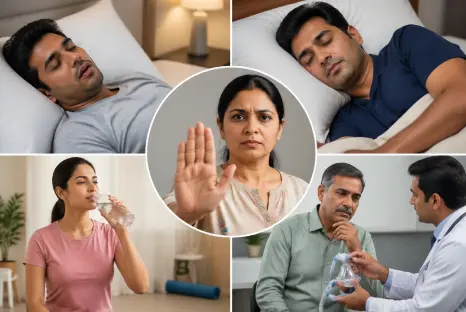
Who Should Avoid Sleep Apnea Treatment?
- People without confirmed sleep apnea (no diagnosis after proper evaluation)
- Those with occasional snoring but no breathing interruptions or daytime symptoms
- Individuals with very mild symptoms that improve with lifestyle changes alone
- Patients who need customised treatment adjustments (not a one-size-fits-all approach)
- Those advised by a doctor to delay or modify treatment due to specific medical conditions
Timeline of Sleep Apnea Treatment
- Consultation (15–20 minutes): The doctor reviews your symptoms, such as snoring, fatigue, and sleep disturbances, and decides if further evaluation is needed.
- Sleep Study / Diagnosis (Overnight or 6–8 hours) : A sleep test (at home or in a lab) monitors breathing, oxygen levels, and sleep patterns to confirm sleep apnea.
- Treatment Planning (20–30 minutes): Based on results, the doctor recommends the most suitable option—CPAP, oral appliance, lifestyle changes, or surgery.
- Device Fitting / Therapy Setup (30–60 minutes): If using CPAP or an oral appliance, the device is customised and adjusted for comfort and effectiveness.
- Initial Adjustment Period (1–2 weeks): The body adapts to the treatment; minor discomfort or sleep adjustment may occur initially.
- Ongoing Use & Improvement (2–6 weeks): Breathing stabilises, snoring reduces, and sleep quality gradually improves.
- Follow-up (15–30 minutes): The doctor reviews progress, makes necessary adjustments, and ensures long-term effectiveness of the treatment.
How Long Do Sleep Apnea Treatment Results Last
Sleep apnea treatment works as long as you consistently follow it—results begin within days to weeks and can last lifelong with regular use or proper correction. If treatment is stopped, symptoms often return within a few nights to weeks, depending on severity.
- CPAP and oral devices need regular nightly use for sustained results
- Lifestyle-based improvements (weight loss, habits) can offer long-term control
- Surgical results may be permanent but vary by individual condition
- Regular follow-ups help maintain effectiveness over time
- Untreated or inconsistent use can quickly reverse progress
- Long-term benefits include better heart health, energy, and sleep quality


After-Care Tips for Long-Lasting Results
- Use your CPAP or oral device every night, not just “when needed”
- Clean your mask, tubing, or appliance regularly to prevent infections
- Maintain a healthy weight to reduce airway blockage over time
- Avoid alcohol and smoking, especially before bedtime
- Stick to a consistent sleep schedule to support better sleep cycles
- Sleep on your side instead of your back for improved airflow
- Replace CPAP filters, masks, or dental devices as advised
- Attend regular follow-ups to adjust settings or fit if needed


Frequently Asked Questions
What is the best treatment for sleep apnea?
The best treatment depends on severity—CPAP is most effective, while oral devices or lifestyle changes work for milder cases.
Can sleep apnea be cured permanently?
Some cases of sleep apnea improve with weight loss or surgery, but many require long-term management rather than a one-time cure.
Are sleep apnea devices uncomfortable?
There may be an adjustment period, but modern devices are designed for comfort and a better fit.
What happens if sleep apnea is left untreated?
If sleep apnea is left untreated, it can lead to serious issues like high blood pressure, heart problems, fatigue, and poor concentration.
Can losing weight stop sleep apnea?
Weight loss can significantly reduce symptoms, especially in mild to moderate cases.