

Microscopic Root Canal Treatment in Kolkata
Home > Treatments > Endodontics > Microscope Root Canal

26
Years of Excellence

NABH
Accredited

60+
Dental Professionals

12K+
Happy Patients

50+
Dental Treatments
Endodontics
Microscope Root Canal Treatment
Single Sitting Root Canal
Re-Root Canal
6292109993
What is Microscopic Root Canal Treatment?
Microscopic root canal treatment uses advanced magnification tools to provide highly precise treatment for infected or damaged teeth. The use of a microscope allows the dentist to thoroughly clean and seal the root canal with minimal discomfort and improved success rates.
Don’t let a root canal scare you. At Smile & Profile Dental Clinic, our microscopic root canal treatment makes the process smooth, precise, and virtually pain-free. Book your appointment today, and let’s get that smile back in action.
Our Clinic Locations
Got a Toothache? Take Our Simple Quiz to Discover if Microscopic Root Canal Treatment Is Your Solution
How does Microscopic Root Canal Treatment Work?
Microscopic root canal treatment uses a high-powered microscope to thoroughly clean the infected root canal with precision. The dentist removes the infected tissue, cleans the canal, and seals it with advanced materials, ensuring better accuracy and a quicker recovery.
- Uses a high-powered microscope for precise visualisation of the tooth and root structure
- Ensures thorough cleaning of the root canal with minimal discomfort
- Removes infected or damaged tissue, preventing further infection
- Seals the root canal with biocompatible materials for long-lasting results
- Minimises the risk of complications and improves treatment success rates
- Reduces recovery time compared to traditional root canal methods
- Offers a more comfortable experience with fewer post-treatment issues
Types of Microscopic Root Canal Treatment
Traditional Microscopic Root Canal
- Uses advanced magnification to clean and seal the root canal with precision
- Ideal for patients with moderate tooth decay or infection
- Typically involves one or two visits, depending on the severity
Retreatment Microscopic Root Canal
- Performed when a previous root canal fails or becomes re-infected
- Allows the dentist to access the original root canal and clean out old materials
- Offers higher success rates in resolving persistent infections
Microscopic Endodontic Surgery (Apicoectomy)
- Used when traditional root canal treatment isn't enough to resolve infection
- Involves removing the tip of the root and sealing the area to prevent further issues
- Recommended when there is damage or infection at the root’s apex
Microscopic Pulpotomy
- A less invasive option for treating early-stage tooth infections
- Involves removing only the infected pulp tissue, leaving the healthy tissue intact
- Suitable for younger patients or less severe cases of infection
Microscopic Root Canal with Laser Assistance
- Combines microscopic precision with laser technology for enhanced disinfection
- Uses lasers to remove infected tissue more efficiently and speed up healing
- Ideal for patients seeking faster recovery and reduced post-treatment discomfort
Conventional Biopsy
- Small tissue sample is removed from suspicious area
- Examined under a microscope for confirmation
- Considered the gold standard for diagnosis
- Done when other screenings show abnormal findings
Traditional Root Canal vs Microscopic Root Canal
 Traditional Root Canal
 Microscopic Root Canal
| Feature | Traditional Root Canal | Microscopic Root Canal |
|---|---|---|
| Precision | Standard magnification tools | High-powered microscope for enhanced precision |
| Comfort | Moderate discomfort during and after treatment | Less discomfort, better visualisation, minimal pain |
| Treatment Success Rate | Standard success rates | Higher success rate due to greater accuracy |
| Recovery Time | Longer recovery with potential post-treatment discomfort | Faster recovery with fewer complications |
| Procedure Duration | Longer procedure due to less precision | Shorter procedure time with more accuracy |
| Risk of Complications | Moderate risk of complications | Reduced risk due to precision and accuracy |
| Visibility | Limited visibility of the root canal area | Exceptional visibility of hard-to-reach areas |
| Patient Comfort | Standard anesthesia or sedation options | Often requires less anesthesia due to precision |
| Use of Technology | Standard tools for cleaning and sealing | Advanced tools including lasers and microscopes |
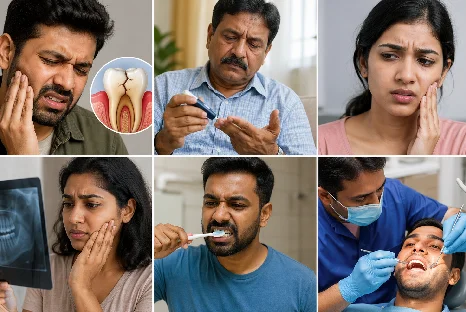
Who Should Avoid Microscopic Root Canal Treatment?
- Patients with severe tooth fractures or damage beyond repair
- Individuals with uncontrolled chronic conditions that affect healing, like diabetes
- Those with allergies or sensitivities to the materials used in root canal sealing
- Patients with insufficient bone structure to support the tooth after treatment
- People who are not committed to maintaining proper oral hygiene and follow-up care
- Those who require more invasive dental surgery rather than a root canal procedure
Timeline of Microscopic Root Canal Treatment
- Consultation (10–15 minutes) : This is a typical time for an initial assessment and discussion. However, if there's more complexity or if advanced imaging is needed, it might take a bit longer.
- Imaging and Examination (30 minutes) : This is accurate for an X-ray or 3D scan and initial examination. Some advanced scans (like CBCT) might take a little longer but are typically done in one visit.
- Root Canal Cleaning (1–2 hours) : The cleaning phase with a microscope often lasts 1 to 2 hours, but more complex cases may extend this timeframe, especially if the infection is widespread or the canals are difficult to access.
- Sealing and Filling (30–45 minutes): Sealing the root canal and placing the filling typically takes 30-45 minutes, depending on the materials used and any complications during the procedure.
- Temporary Restoration (1–2 weeks): This timing is accurate. A temporary restoration is placed and typically remains in place while a permanent one is custom-made. Some patients may need a longer wait, depending on the lab's crown turnaround time.
- Permanent Restoration (30–60 minutes): The fitting of the permanent restoration (crown or filling) is generally in the 30-60-minute range.
- Follow-up (30 minutes) : A follow-up appointment is typically scheduled to check the tooth's healing, fit of the restoration, and overall comfort.
- Ongoing Adjustments (as needed): Most patients do not need further adjustments unless there are complications, but a few may require follow-up visits for tweaks.
How Long Do Microscopic Root Canal Treatment Results Last
Microscopic root canal treatment results can last 10 to 15 years or longer with proper care and maintenance. The longevity depends on factors such as the severity of the infection, the materials used, and regular dental check-ups.
- Root canal sealing typically lasts 10-15 years before re-treatment is needed
- Proper oral hygiene can extend the lifespan of the treatment
- Regular dental check-ups help detect potential issues early and prolong results
- Avoiding hard foods and maintaining good dental care can enhance longevity
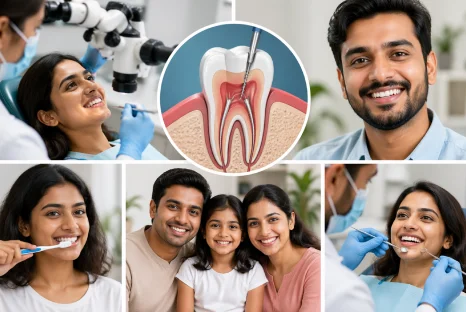

After-Care Tips for Long-Lasting Results
- Maintain good oral hygiene by brushing twice a day and flossing regularly
- Use an antimicrobial mouthwash to reduce bacteria and prevent infection
- Avoid chewing on hard foods or objects that could damage the treated tooth
- Stay on top of regular dental check-ups to monitor the health of your treated tooth
- Wear a night guard if you grind your teeth to protect your restoration
- Be mindful of tooth sensitivity and contact your dentist if discomfort persists
- Follow any specific after-care instructions provided by your dentist to ensure optimal healing


Frequently Asked Questions
Do you still need a crown after microscopic root canal treatment?
Yes, after microscopic root canal treatment, a crown is often recommended to protect and strengthen the treated tooth. This helps restore its full function and appearance.
Can microscopic root canal treatment fail, and what happens then?
While rare, failure can occur if infection persists or the seal is compromised. In such cases, retreatment or surgery, such as an apicoectomy, may be needed to save the tooth.
Are there alternatives if microscopic root canal treatment isn’t possible?
If microscopic root canal treatment isn't viable, alternatives include tooth extraction or, in some cases, advanced surgical treatments like apicoectomy or dental implants.
Will the treated tooth be more brittle after microscopic root canal therapy?
The treated tooth can become more brittle due to the removal of infected tissue. A crown is typically placed to protect the tooth from damage and restore its strength.
How soon can you eat normally after microscopic root canal treatment?
You can usually eat soft foods the same day after the procedure, but it's best to avoid chewing on the treated tooth until the permanent restoration is placed, typically within a few weeks.