
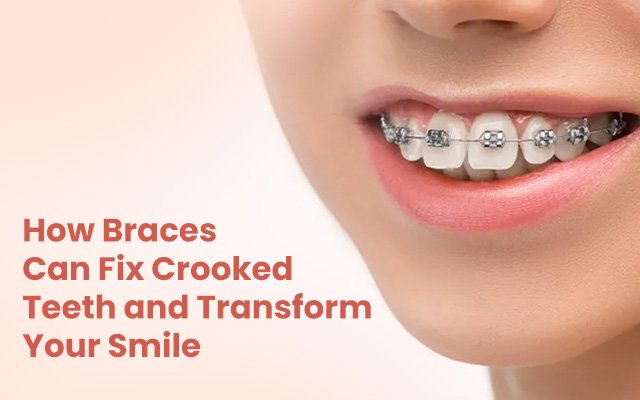
Have you ever looked in a mirror and thought, “If only my teeth weren’t crooked, I’d show up differently in photos, meetings, or even just in the mirror”? That little tug of dissatisfaction—that’s a trigger, and it matters. If you’re in Kolkata and you’ve been wondering if you can really get a confident smile, you’re in the right place. Let’s discuss in this blog how dental braces can turn crooked teeth into a smile you’re proud of.
Understanding Braces and Their Role
How Braces Work to Move Teeth
Think of your teeth like a slightly misaligned bookshelf: one book sticks out, another is slanted, and the shelf is a little off.
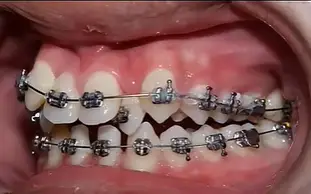
It is the same with teeth, where braces apply gentle, consistent pressure—via brackets, wires, elastics—to shift teeth into the right positions over time. This is the core of teeth alignment solutions. One key point: this movement isn’t instant. It happens through remodelling of bone and periodontal ligaments, so it calls for patience.
Closing Gaps and Correcting Alignment
Crooked teeth often come with other issues—gaps, uneven spacing, a bite that doesn’t quite lock in. That’s where braces work. For example, if you’re missing a tooth or you have a gap, braces can bring adjacent teeth closer, close spaces, and more. The term orthodontic gap closure refers to that.
Here’s a little table to illustrate typical issues and how braces help:
| Dental Issue | What’s Happening | How Braces Help |
| Crooked front teeth | Uneven alignment, maybe overlapping | Braces apply pressure to straighten them |
| Gap from a missing tooth | Adjacent teeth drift, space remains | Braces can move teeth to close a space or prepare for a replacement |
| Bite (occlusion) problem | Upper & lower teeth don’t meet properly | Braces adjust alignment so the bite functions better |
| Shifting/spacing issues | Teeth move because gaps or crowding exist | Braces restore proper spacing and alignment |
Who Can Benefit from Braces for Missing Teeth
Single Missing Tooth
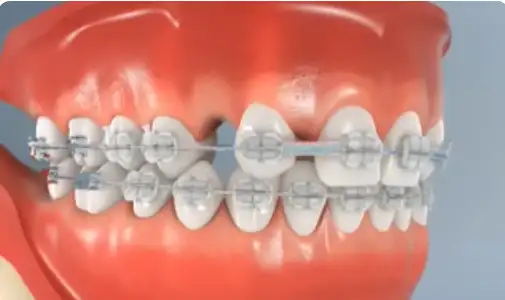
Say you lost one tooth (front or back). That gap starts pulling in more disadvantages—neighbouring teeth tilt into it, opposing teeth may over-erupt, and the bite gets compromised. In such cases, braces can either close the gap (moving nearby teeth together) or maintain space for a restoration (implant or bridge later).
Multiple Gaps or Malocclusion
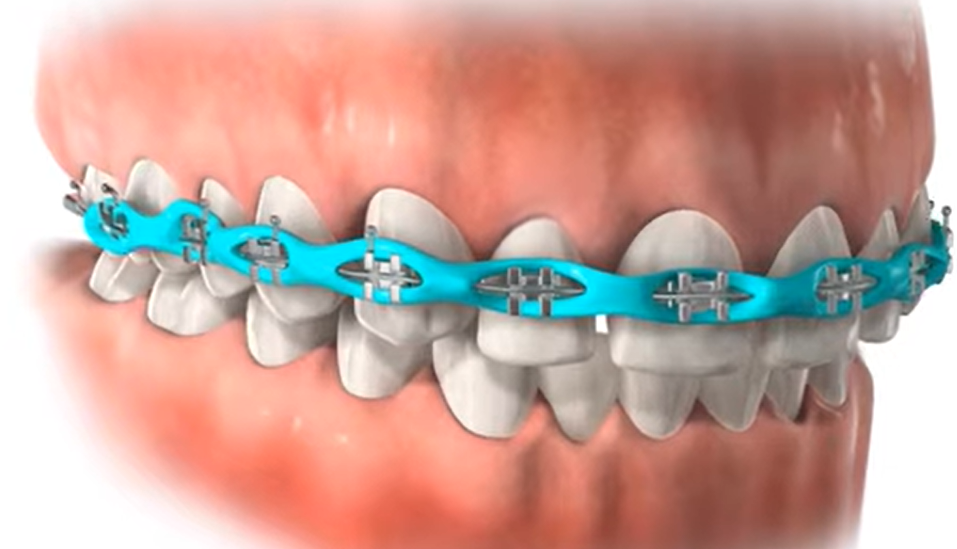
When there are several missing teeth or a more complex bite issue (known as malocclusion), the treatment needs more planning. Here’s where orthodontic tooth replacement, braces for missing tooth, and improved bite and aesthetics come into the picture. The orthodontist may coordinate with a restorative dentist. Braces might create space, then an implant or bridge fills it. Or braces might actually close many small gaps, reducing the number of replacements needed.
Benefits of Using Braces for Tooth Replacement
Functional Bite Improvement
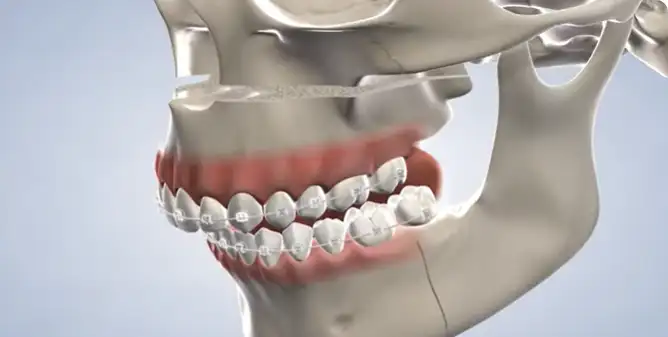
Fixing crooked teeth and gaps isn’t just about smiles—your bite and chewing function matter too. Imagine trying to chew on a misaligned tooth set: some teeth bear more load, others get neglected. With braces, you get teeth alignment solutions that promote even force, reduce wear and tear, and support jaw health. One blog noted that correcting missing teeth with braces helps preserve the bite.
Aesthetic Smile Enhancement
This benefit is the one everyone notices. A straighter, gap-free smile matters. It’s part of the smile transformation process. When children or adults get braces, they don’t just fix crooked teeth—they transform the way their smile engages. That engagement then feeds into confidence, presentation, and self-image.
Long-Term Oral Health Benefits
Here’s the deeper value: by aligning your teeth and addressing gaps, you set yourself up for fewer cavities, less gum disease, and better long-term outcomes. Spaces left untreated are sneak nests for bacteria. Crowded teeth are harder to clean. Good alignment = easier oral hygiene. That ties back to the benefits of dental braces beyond just looking good.
The Braces Treatment Process
Consultation and Planning
The first step is to book a consultation. The orthodontist will take models, X-rays, and photos, and ask about your goals. They’ll evaluate crooked teeth, bite issues, and any missing teeth. Then they’ll plan to straighten those teeth, close or adjust the gaps, and then possibly shift to an implant or bridge if needed. Because when gaps involve missing teeth, the plan may include braces + restoration.
Adjustment and Maintenance
Once the braces go on, you’ll attend regular adjustment visits (say every 4-8 weeks). The wires get tightened, and elastics are added if needed. You’ll feel mild discomfort after adjustments—normal. Importantly, maintenance includes wearing retainers later and caring for your braces. Also, if you had gaps that will be restored (e.g., implant/bridge), you’ll coordinate that too.
Recovery and Care Tips
Oral Hygiene Practices
Braces are a tool that works well with good care. If you have brackets and wires, you’ll need to brush more attentively (especially around brackets), floss with special tools, and avoid sticky/very hard foods. For example: avoiding chewing on hard candies, biting nails, or using teeth as tools. Good hygiene supports the orthodontic treatment options and ensures your results last.
Maintaining Results
After the braces come off, your job doesn’t end. Retainers are often required to keep teeth from drifting back. Gaps that were closed need monitoring. If you opted for a replacement tooth (implant/bridge) after alignment, you’ll need to maintain that too.
Schedule Your Orthodontic Consultation Today
Ready to stop hiding your smile and start owning it? If you’re in or near Kolkata, reach out to Smile & Profile and ask about dental braces in Kolkata. Ask questions like:
- What’s your current alignment, bite, and gap situation?
- Can braces alone close these gaps, or do you need restoration after alignment?
- What timeline and costs are we looking at for your specific case?
- What types of braces or aligners are available (traditional, ceramic, clear, lingual)?
- What’s the after-care look like (retainers, follow-up visits, hygiene instructions)?
Don’t wait—it’s a smile you’ll carry forward every day. Braces can knit together crooked teeth, correct missing spaces, and deliver a smile transformation that serves you socially, professionally, and personally.
People Also Ask
Can I get braces if I have a missing tooth?
Yes. In many cases, you can still undergo orthodontic treatment even if you’re missing a tooth. The orthodontist will design a plan that either closes the gap, holds space for future restoration, or aligns everything for the best outcome.
How long will it take to fix crooked teeth and gaps with braces?
It varies a lot. For small gaps or moderate alignment, you might see major progress in months; bigger cases can take a year or more. For example, one blog said certain “fast braces” could close a gap left by a missing tooth in 6-9 months.
Will braces improve my bite too, or just my smile?
Yes—they will improve your bite, because alignment isn’t just appearance. When teeth meet properly, chewing forces are distributed evenly, jaw strain is reduced, and overall function improves (which is part of improving bite and aesthetics).
What happens if I do nothing about my crooked teeth or missing gaps?
You risk more than just a less-than-ideal smile. Teeth will drift, your bite may worsen, you might get gum issues or extra wear on certain teeth. Gaps especially allow adjacent teeth to tilt or move, causing further problems.
Are clear aligners better than traditional braces for correcting gaps and crooked teeth?
Clear aligners can work, especially for mild to moderate cases. But for bigger gaps, missing teeth, or significant bite problems, traditional braces may provide a stronger, more controlled force. Some clinics say traditional braces are still the most effective for significant gap closure.