
Flap Surgery in Kolkata

26
Years of Excellence
NABH
Accredited
60+
Dental Professionals
12K+
Happy Patients
50+
Dental TreatmentsPeriodontics
Flap Surgery
Soft Tissue Grafting
6292109993
What is Flap Surgery?
Flap surgery in dentistry is a procedure where a section of gum tissue, along with its blood supply, is moved from one area of the mouth to another. This technique is commonly used to treat gum disease, repair damaged tissue, and aid healing following dental surgery, promoting better oral health and restoring function to the affected area.
Ready to smile confidently? Visit Smile & Profile Dental Clinic today for expert care and personalised solutions.
Our Clinic Locations
Want a Flawless Smile? Find Out if Flap Surgery is the Right Solution for You with Our Quick Quiz!
Question 1 of 6
How does Flap Surgery Work?
Flap surgery works by gently lifting the gums to access and remove bacteria, tartar, and infected tissue from deep below the gum line. Once cleaned, the gums are repositioned and secured back to the teeth to promote healing and reduce pocket depth.
- Helps reduce deep gum pockets where bacteria hide
- Allows thorough cleaning that regular scaling can’t reach
- Promotes reattachment of gums to the teeth
- Supports bone and tissue healing in advanced cases
- Lowers the risk of further gum damage and tooth loss
Types of Flap Surgery
Modified Widman Flap
- Focuses on deep cleaning of root surfaces with minimal gum tissue removal
- Helps reduce inflammation and control gum disease effectively
Open Flap Debridement
- Gums are lifted to remove plaque, tartar, and infected tissue from deep pockets
- Ideal for advanced gum disease where scaling alone isn’t enough
Apically Positioned Flap
- Gum tissue is repositioned lower on the tooth to reduce pocket depth
- Makes it easier to maintain oral hygiene long-term
Undisplaced Flap
- Gums are lifted, cleaned, and placed back in their original position
- Used when pocket reduction is needed without changing gum levels
Distal Wedge Procedure
- Removes excess gum tissue behind the last molars
- Helps eliminate deep pockets in hard-to-clean areas
Papilla Preservation Flap
- Special technique that preserves the gum tissue between teeth
- Commonly used in aesthetic areas to maintain a natural appearance
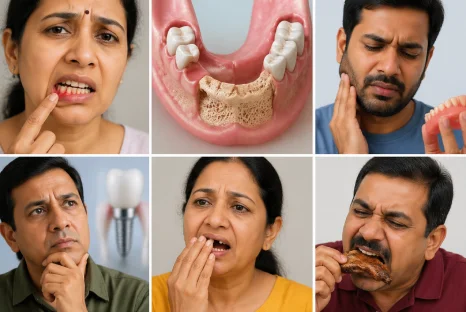
Who Should Avoid Flap Surgery?
- Those with severe gum disease or oral health issues
- Individuals with significant jawbone loss
- People allergic to the denture material
- Those seeking permanent tooth replacements
- People with very few missing teeth
- Heavy chewers who need more durability
Timeline of Flap Surgery
- Consultation (10–15 minutes) : The dentist evaluates your gum condition, checks pocket depth, and discusses whether flap surgery is the right option.
- Imaging and Examination (15–30 minutes): X-rays and a detailed gum assessment are done to understand bone loss and infection levels.
- Preparation (20–30 minutes) : Local anaesthesia is administered, and the area is prepared to ensure a comfortable, pain-free procedure.
- Flap Surgery Procedure (45–90 minutes) : Gums are gently lifted, infected areas are deep-cleaned, and the tissue is repositioned and sutured back.
- Initial Healing (1–2 weeks) : Gums begin to heal, and stitches may be removed depending on recovery.
- Follow-up (15–30 minutes) : The dentist checks healing, removes sutures if needed, and ensures the gums are responding well.
- Ongoing Maintenance (as needed) : Regular check-ups and cleanings are scheduled to maintain gum health and prevent recurrence.
How Long Do the Flap Surgery Results Last
Flap surgery results can last 10–15 years or even a lifetime if proper oral hygiene and regular dental care are maintained.
- Consistent brushing and flossing play a huge role in long-term success
- Regular dental cleanings help prevent the recurrence of gum disease
- Lifestyle habits like smoking can shorten the results
- Early intervention in the case of gum issues helps maintain outcomes
- Periodic dental check-ups ensure gums remain stable and healthy


After-Care Tips for Long-Lasting Results
- Stick to soft foods for a few days to avoid disturbing the surgical area
- Avoid brushing directly over the treated site until your dentist allows it
- Quit smoking or tobacco use to support faster healing
- Keep all follow-up appointments to monitor recovery
- Maintain gentle but consistent oral hygiene once healing begins
- Avoid hard, spicy, or crunchy foods during the initial healing phase
- Watch for unusual swelling or discomfort and report it promptly


Frequently Asked Questions
When is flap surgery needed for the gums?
It is usually needed when gum pockets are too deep to clean with regular brushing and flossing, or even with standard deep cleaning alone. Dentists often recommend it in moderate to severe periodontitis, especially when pockets are over 5 mm.
What can you eat after flap surgery?
Soft foods are usually safest for the first few days because they reduce irritation to the treated gums. Hot, spicy, crunchy, or hard foods are generally best avoided until your dentist says the area is healing well.
Can flap surgery save loose teeth?
It can help save teeth if the looseness is related to gum disease and the supporting tissues can still be stabilised. The earlier the treatment is done, the better the chance of controlling infection and preventing further bone loss.
Is flap surgery the same as deep cleaning?
No, deep cleaning removes plaque and tartar below the gum line without surgery, while flap surgery is a surgical procedure used when deeper pockets need direct access.
What happens if gum disease is left untreated?
Untreated gum disease can lead to bone loss, gum recession, and eventually loose or lost teeth. Early treatment helps avoid the need for more advanced procedures later.