
Root Canal Treatment in Kolkata

26
Years of Excellence
NABH
Accredited
60+
Dental Professionals
12K+
Happy Patients
50+
Dental TreatmentsGeneral Dentistry
Root Canal Treatment
Dental Scaling
Dental Filling
Teeth Extraction
6292109993
What is Root Canal Treatment?
Root canal treatment is a dental procedure used to repair and save a tooth that is severely infected or damaged. It involves removing the infected pulp, cleaning the inside of the tooth, and sealing it to prevent further infection, helping preserve the natural tooth structure.
If you’re facing persistent tooth pain, a root canal may be the answer. At Smile & Profile Dental Clinic, we offer painless, precision-rooted treatments that restore your smile and confidence. Book your appointment today.
Our Clinic Locations
How does Root Canal Treatment Work?
Root canal treatment involves removing the infected pulp, cleaning the tooth, and sealing it to prevent further infection.
- Anaesthesia is administered to numb the affected area
- The infected pulp is carefully removed from the tooth
- The tooth is cleaned and disinfected to remove any bacteria
- The tooth is filled with a special material to seal it
- A crown or filling is placed on top to restore the tooth’s function and appearance
Types of Root Canal Treatment
Conventional Root Canal Therapy (RCT)
- The most common type of root canal procedure
- Removes infected or inflamed pulp from inside the tooth
- Cleans and seals the canals to preserve the natural tooth structure
- Ideal for teeth with deep decay, fractures, or significant infection
Endodontic Retreatment
- Happens when a previous root canal didn’t fully resolve the issue
- Removes old filling material and reinfects bacteria
- Cleans/disinfects again before resealing the tooth
- Great alternative to extraction when symptoms persist
Apicoectomy (Surgical Root Canal)
- A surgical option if standard treatment can’t eliminate the infection
- Accesses the root tip through the gum to remove infected tissue
- Seals the end of the root to stop recurring infections
- Best when there are hidden canals or persistent inflammation near the root tip
Pulpotomy
- Partial root canal, often used in emergencies or for kids
- Removes only the infected part of the pulp, leaving healthy tissue intact
- Provides quick pain relief and preserves tooth vitality
- Common in baby teeth or when a full RCT will be done later
Pulpectomy
- Removes all pulp from both crown and root canals
- Often, a precursor to full root canal therapy
- Helps manage severe infections or inflammation
- Typically used in young patients or as an initial phase before a complete RCT
Self-Ligating Braces
- Use clips instead of elastic bands to hold the wire
- Require fewer dental visits
- Easier to clean and maintain
- Can be metal or ceramic
Who Should Consider Root Canal Treatment?
- Persistent tooth pain or sensitivity, especially to hot or cold
- Swollen or tender gums near a specific tooth
- Deep cavities or decay reaching the tooth’s pulp
- Tooth trauma can cause potential infection or damage
- Discolouration or darkening of the tooth

Comparison Between Different Types of Root Canal Treatment
| Type of Treatment | Ideal For | Complexity | Recovery |
|---|---|---|---|
| Conventional Root Canal | Deep decay, fractures, or significant infection. | Moderate | Short, with little discomfort. |
| Endodontic Retreatment | Persistent symptoms after initial root canal. | High | Slightly longer, depending on complexity. |
| Apicoectomy (Surgical RCT) | Hidden canals, infection near the root tip. | High | Longer due to surgery. |
| Pulpotomy | Children or emergency situations for quick relief | Low | Minimal recovery. |
| Pulpectomy | Young patients with severe infection or inflammation. | Moderate | Shorter for children, with less discomfort. |
Who Should Avoid Root Canal Treatment?
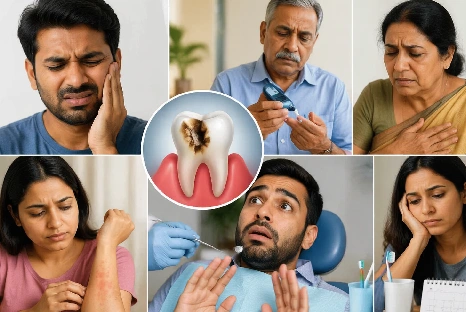
- Severe tooth decay beyond repair
- Uncontrolled systemic health conditions (e.g., severe diabetes, heart issues)
- Allergies to materials used in the procedure
- Inability to tolerate anaesthesia
- Lack of commitment to post-treatment care
Timeline of Root Canal Treatment
- Initial Consultation (Day 1): Examination and X-rays to assess the tooth and plan treatment
- First Visit (1–2 Hours): Infected pulp is removed, and the tooth is cleaned and shaped
- Second Visit (1 Hour): Tooth is sealed with a temporary filling before permanent restoration
- Final Restoration (1–2 Weeks Later): Permanent crown or filling is placed to restore the tooth’s function
How Long Does the Effectiveness of Root Canal Treatment Last
Root canal treatment can last a lifetime with proper care, though it may need a restoration after 10-15 years.
- Proper restoration (e.g., crown) ensures long-lasting results
- Good oral hygiene and regular check-ups extend tooth life
- Neglect or further decay may shorten the effectiveness
- Retreatments may be needed if the infection recurs

After-Care Tips for Long-Lasting Results
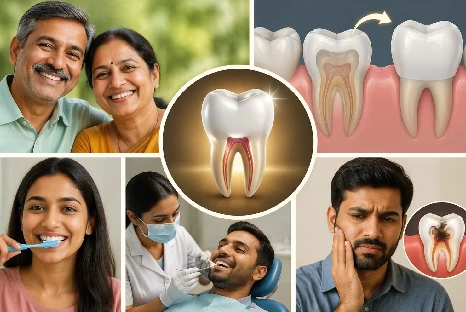
- Brush twice a day with fluoride toothpaste
- Floss daily to clean between teeth and gums
- Avoid smoking and limit stain-causing foods and drinks
- Use mouthwash to reduce bacteria and maintain gum health
- Schedule regular dental check-ups every 6-12 months
- Consult your dentist if you experience discomfort or sensitivity


Frequently Asked Questions
Is a root canal better than an extraction?
Saving your natural tooth with a root canal is generally preferable to extraction because it preserves bite function and prevents shifting of adjacent teeth.
Does a root canal leave the tooth “dead”?
Root canal removes the nerve and blood supply inside the tooth, but the outer tooth structure remains strong and functional.
What are the risks of delaying a root canal?
Putting off treatment can allow infection to spread, leading to abscesses, bone loss, or the need for extraction later. Early treatment means better outcomes and less pain.
Can a root canal fail, and what are the signs?
While rare, failure can happen — signs include recurring pain, swelling, or gum pimples near the treated tooth. Follow‑up with your dentist is important if symptoms return.
Can you avoid a root canal with preventive care?
Good oral hygiene and regular check‑ups can reduce your risk, but deep decay or injury may still require a root canal. Early detection of problems helps prevent extensive infection.