
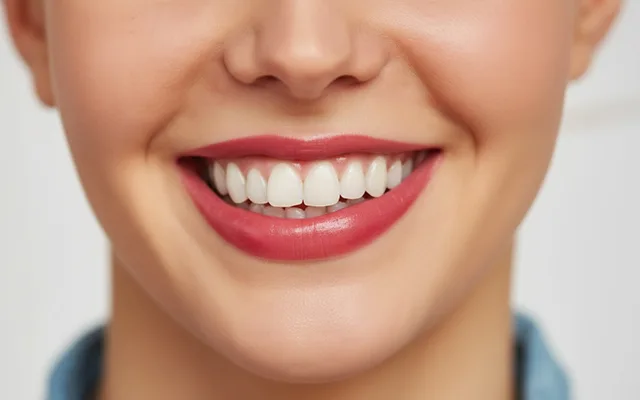
Your smile speaks before your voice ever arrives. It signals confidence, health, discipline, and intent in a fraction of a second. Long before a conversation begins, your teeth already communicate how you care for yourself.
Yet despite this, teeth whitening remains wrapped in anxiety, misinformation, and viral half-truths passed around like dental folklore.
For anyone seriously considering smile designing in Kolkata, clarity matters more than trends or reels promising instant results.
Let’s incinerate 10 of these preposterous Myths about Teeth Whitening with Facts.
Myth 1: Teeth Whitening Damages Enamel
No, professionally supervised whitening does not damage enamel.
Medical Fact: The enamel structure remains intact when whitening is performed under controlled clinical protocols.
Root of the Myth: Confusion between abrasion and bleaching.
The question of whether ‘does teeth whitening damage enamel’, often stems from experiences with unsafe, non-professional methods. Bleaching works chemically. Abrasion works mechanically. Mixing the two leads to irreversible damage.
What Happens During Professional Whitening
The fear fades once you understand the science. Here is exactly what happens.
- Peroxide molecules penetrate enamel without removing tooth structure
- Stain molecules lodged within dentin are oxidised and broken down
- Enamel undergoes natural remineralisation within 24–48 hours through saliva
| Whitening Method | Mechanism | Enamel Impact |
| Professional bleaching | Controlled oxidation | Safe |
| Abrasive DIY methods | Mechanical scraping | Permanent damage |
| Acid-based DIY | Mineral dissolution | Irreversible erosion |
The myth survives because damage caused by shortcuts is wrongly blamed on dentistry. In reality, professional whitening preserves structural integrity.
Myth 2: Teeth Whitening Causes Permanent Sensitivity
No, sensitivity is temporary and reversible.
Duration: Usually 24–48 hours.
Reason: Temporary dentinal fluid movement.
Sensitivity is one of the most discussed teeth whitening side effects (especially for sensitivity), but it is often misunderstood. Whitening agents temporarily increase enamel permeability, allowing fluid shifts inside dentinal tubules. This briefly stimulates nerves, not permanently.
Understanding Teeth Whitening Side Effects (Especially for Sensitivity)
Post-whitening sensitivity is a transient physiological response rather than a pathological condition.
It occurs because
- Whitening agents temporarily increase enamel permeability
- Fluid movement within dentinal tubules stimulates pulpal nerve endings
- Saliva-driven remineralisation restores enamel integrity over time
- Desensitising agents reduce neural excitability and discomfort
Persistent sensitivity almost always indicates pre-existing enamel wear, gum recession, or untreated decay. Whitening exposes these issues. It does not create them.
Myth 3: Baking Soda, Charcoal or Lemon Whiten Teeth Safely
No, DIY whitening permanently damages enamel.
How It Works: Abrasion and acid erosion.
Long-Term Result: Thinner enamel and teeth that stain faster than before.
Search interest around at-home teeth whitening kits has unfortunately normalised dangerous DIY alternatives. Baking soda and charcoal scrape enamel microscopically. Lemon dissolves minerals chemically.
Why Charcoal / Baking Soda / Lemon Teeth Whitening Is Risky
The risk with these methods is not in how quickly they show results, but in how they achieve them. Instead of chemically breaking down stain molecules, they damage enamel through abrasion and acid exposure, which leads to:
- Creating micro-scratches that trap stains
- Accelerating yellowing over time as enamel thins
- Causing permanent mineral loss
“Natural” does not mean gentle. Enamel does not regenerate. Once it is gone, no treatment can bring it back.
Myth 4: Teeth Whitening Results Are Permanent
Results last between 6 months and 2 years.
Patients frequently ask how long teeth whitening last expecting permanence. Whitening resets colour. It does not make teeth immune to stains.
Depends on: Diet, habits, and maintenance.
Reality: Whitening removes stains, not exposure.
Factors That Control Longevity
Pay close attention
- Smoking, coffee, tea, and red wine
- Oral hygiene discipline
- Professional maintenance schedules
| Lifestyle Factor | Effect on Results |
| Tobacco use | Rapid relapse |
| Regular cleanings | Extended brightness |
| Periodic touch-ups | Stable shade |
Time always leaves marks. Maintenance decides how obvious they become.
Myth 5: Laser Whitening Is Just a Marketing Gimmick?
No, light activation enhances peroxide efficiency.
Clinics offering laser teeth whitening in Kolkata do so to control speed and predictability, not to upsell hype.
Why Clinics Use Laser Teeth Whitening
Light activation is used to optimise the whitening reaction, not to alter its chemistry. By accelerating peroxide breakdown in a controlled clinical setting, laser assistance allows for:
- Shortens chair time
- Improves shade consistency
- Allows precise intensity control
Technology does not change chemistry. It accelerates it safely under supervision.
Myth 6: Whitening Toothpaste Can Replace Professional Teeth Whitening
No, whitening toothpaste only removes surface stains.
Limitation: Cannot alter internal discolouration.
Best Use: Post-treatment maintenance.
Unlike professional teeth whitening, toothpaste works only on extrinsic stains.
Polishing vs Bleaching
The distinction between these two approaches lies in the depth at which they act on the tooth structure. While both can improve appearance, their mechanisms and outcomes are fundamentally different:
- Toothpaste polishes enamel
- Professional teeth whitening bleaches dentin
Confusing the two leads to unrealistic expectations and wasted effort.
Myth 7: Crowns and Fillings Whiten Along with Natural Teeth
Direct Answer: No, dental restorations do not respond to whitening agents.
Materials: Porcelain and composite are colour-stable.
Patients pursuing smile designing in Kolkata must plan colour sequencing carefully.
How Smile Planning Prevents Colour Mismatch
- Natural teeth are whitened first
- Restorations are colour-matched afterwards
Skipping this step leads to uneven, artificial-looking smiles.
Myth 8: Everyone Is a Candidate for Teeth Whitening
Direct Answer: No, whitening is not universal.
Patients seeking teeth whitening in Kolkata require proper screening before treatment.
Excluded Groups
- Children
- Pregnant women
- Active dental disease cases
When Alternatives Are Needed
- Fluorosis
- Tetracycline staining
- Trauma-related discolouration
Assessment protects both expectations and oral health.
Myth 9: Teeth Whitening Weakens Teeth
Direct Answer: No, tooth strength is preserved.
Temporary Change: Minor, short-term porosity.
Recovery: Natural remineralisation through saliva.
What Actually Weakens Teeth
- Acid erosion
- Untreated cavities
- Aggressive brushing
Professional protocols strengthen long-term outcomes. DIY methods quietly destroy structure.
Myth 10: Teeth Whitening Can Be Done Effectively While Wearing Braces
Direct Answer: No, whitening during orthodontic treatment causes uneven colour.
Reason: Brackets block whitening agents.
Correct Order: Alignment first.
Ideal Treatment Sequence
- Complete orthodontic treatment
- Stabilisation phase
- Whitening as the final step
This prevents patchy results and avoids the need for corrective retreatment.
What Actually Works (Your “No-Nonsense” Whitening Options)
Professional in-office whitening and dentist-supervised home trays deliver safe, visible, and lasting results. Cleaning alone or DIY methods cannot effectively change a tooth’s natural shade.
In-Office Whitening (Fastest Visible Change)
In-office teeth whitening delivers the quickest and most predictable results under expert supervision. Options like laser teeth whitening protocols accelerate stain breakdown while protecting enamel and gums.
At Smile & Profile Dental Treatment Centre, treatment is customised for visible improvement in a single visit.
Dentist-Supervised Home Trays vs OTC Strips
Dentist-guided at-home teeth whitening kits use customised trays for even gel distribution and safer results. OTC strips are convenient but often uneven and slower.
Professional supervision reduces the side effects of teeth whitening, especially sensitivity.
Cleaning/Polishing vs Whitening (People Confuse These Constantly)
Professional cleaning removes plaque and surface stains only. Professional teeth whitening works beneath the enamel to lighten intrinsic discolouration. Cleaning restores natural colour. Whitening changes the shade itself.
Who Should Avoid Whitening (or Delay It)
Whitening should be avoided (or postponed) if you have untreated cavities, active gum disease, exposed roots, or are pregnant. Patients with crowns or veneers on front teeth require shade planning before treatment.
Cavities, Gum Disease, Exposed Roots, Pregnancy Considerations
Whitening should be postponed if untreated decay or active gum disease exists. Many patients asking about teeth whitening benefit from a dental evaluation first to ensure safety and predictable outcomes.
If You Have Crowns/Veneers on Front Teeth. Plan Shade Matching
Crowns and veneers do not respond to whitening agents. Dentists often whiten natural teeth first, then adjust restorations for balanced aesthetics and long-lasting results
Side Effects People Fear (and What’s Normal)
Mild tooth sensitivity or temporary gum irritation can occur after whitening and usually settles within a few days. With professional supervision, side effects are controlled, short-lived, and do not damage enamel.
Tooth Sensitivity. How Long Does It Last and How Do Dentists Reduce It
Sensitivity is the most commonly discussed side effect of teeth whitening, usually temporary and resolving within days. Desensitising gels and controlled protocols minimise discomfort without compromising results.
Gum Irritation. Usually, from Misuse, Not the Concept of Whitening
Irritation is common with DIY methods such as charcoal, baking soda, or lemon whitening. Supervised treatment protects the gums and addresses concerns such as ‘Does teeth whitening damage enamel?’
How to Make Whitening Last Longer (Kolkata-Relevant Habits)
Whitening results last longer with stain control, regular professional cleaning, and enamel-safe oral care habits. Limiting the use of strong pigments and maintaining hygiene help prevent early colour relapse.
The “Stain Repeat Offenders”: Tea/Coffee, Tobacco, Masala-Rich Foods
Daily exposure to strong tea, coffee, tobacco, and spice-heavy foods common in Kolkata diets can gradually darken enamel again. Rinsing the mouth after consumption, using a straw for beverages when possible, and moderating tobacco use help slow staining.
Simple Maintenance Plan: Cleaning Schedule + Enamel-Safe Toothpaste
Professional cleaning every six months removes surface stains before they settle deeply. Use low-abrasive, enamel-safe toothpaste instead of harsh DIY methods. Consistent brushing, flossing, and periodic dental reviews help preserve whitening results longer.
Wrapping Up: Trust Facts- Not Myths
Smile & Profile Dental Treatment Centre in Kolkata offers comprehensive smile-designing treatments to help align, whiten, contour, and enhance overall aesthetics for balanced facial harmony.
Visit us today.
People Also Ask
Is Teeth Whitening Safe?
Yes. Dentist-supervised whitening uses approved agents that lift stains without damaging enamel. A prior dental check ensures gums and teeth are suitable for treatment.
How Long Does Teeth Whitening Last?
Results typically last 6 months to 2 years, depending on diet, smoking habits, and oral hygiene. Periodic touch-ups help maintain brightness.
Does Whitening Hurt?
Most patients experience mild, temporary sensitivity rather than pain. Dentists minimise discomfort using controlled-strength gels and desensitising protocols.
Will Whitening Work on Yellow Teeth?
Yes. Yellow-toned teeth respond best because stains are usually enamel-related. Deep grey or intrinsic stains may require customised treatment planning.
Can I Whiten Teeth If I Have Fillings or Caps?
Yes, but restorations do not lighten with whitening agents. Dentists may recommend shade matching or replacement afterwards for uniform colour results.