
Single-Sitting Root Canal Treatment in Kolkata

26
Years of Excellence
NABH
Accredited
60+
Dental Professionals
12K+
Happy Patients
50+
Dental TreatmentsEndodontics
Single Sitting Root Canal
Microscope Root Canal
Re-Root Canal
6292109993
What is Single-Sitting Root Canal Treatment?
A single-sitting root canal treatment is a dental procedure where the entire root canal treatment is completed in just one visit to the dentist, rather than requiring multiple appointments. During this treatment, the dentist removes the infected or damaged pulp from the tooth, cleans and disinfects the root canals, and then seals the space to prevent further infection.
Let’s get your smile back on track with minimal fuss. Schedule your single-sitting root canal at Smile & Profile Dental Clinic today.
Our Clinic Locations
Toothache Got You Down? Take Our Quiz to Discover if Single-Sitting Root Canal Treatment is Your Best Option
Question 1 of 6
How does Single-Sitting Root Canal Treatment Work?
Single-sitting root canal treatment involves removing the infected pulp, cleaning the root canals, and sealing them in one appointment. This approach minimises the need for multiple visits, offering quick relief and faster recovery.
- Numbs the affected area for a pain-free experience
- Removes infected tissue and prevents further damage
- Uses advanced tools to clean and disinfect the root canals
- Seals the canals to prevent future infection
- Often requires a crown or filling to restore the tooth’s strength
Types of Single-Sitting Root Canal Treatment
Traditional Single-Sitting Root Canal Treatment
- Ideal for straightforward cases with minimal infection
- Requires one appointment to remove infection and seal the tooth
- Suitable for teeth with uncomplicated anatomy
Microscopic Single-Sitting Root Canal Treatment
- Uses advanced microscopes for enhanced precision
- Best for more complex cases or difficult-to-reach canals
- Allows for greater accuracy in cleaning and sealing
Laser-Assisted Single-Sitting Root Canal Treatment
- Utilises lasers to disinfect the canals more effectively
- Reduces the need for manual cleaning, making it quicker
- Offers reduced discomfort and faster healing time
Conventional Biopsy
- Small tissue sample is removed from suspicious area
- Examined under a microscope for confirmation
- Considered the gold standard for diagnosis
- Done when other screenings show abnormal findings
Single-Sitting Root Canal Treatment vs Multiple-Sitting Root Canal Treatment
 Single-Sitting Root Canal
 Treatment
 Multiple-Sitting Root Canal
 Treatment
Completed in one visit
Duration
Requires multiple visits (usually 2-3)
Typically takes 1-2 hours
Treatment Time
Each visit takes 1-2 hours, over a span of weeks
More convenient for busy schedules
Convenience
May require more time off work or daily routine
Less post-procedure pain and discomfort
Pain and Discomfort
Potential for discomfort after each visit
Faster healing as the procedure is completed in one sitting
Healing Time
Healing can be longer due to multiple stages of treatment
Best for straightforward cases with minimal infection
Suitability
Suitable for complex or severe cases that need more time and attention
Minimal follow-up required
Convenience of Follow-up
Follow-up visits needed for cleaning and sealing each stage
Lower risk of re-infection as the canal is sealed in one sitting
Risk of Re-infection
Higher risk of re-infection between visits due to open canals
Often uses advanced tools like lasers or microscopes
Technology Used
Typically uses standard tools, may not have the same technology
| Feature | Single-Sitting Root Canal Treatment | Multiple-Sitting Root Canal Treatment |
|---|---|---|
| Duration | Completed in one visit | Requires multiple visits (usually 2–3) |
| Treatment Time | Typically takes 1–2 hours | Each visit takes 1–2 hours, over a span of weeks |
| Convenience | More convenient for busy schedules | May require more time off work or daily routine |
| Pain and Discomfort | Less post-procedure pain and discomfort | Potential for discomfort after each visit |
| Healing Time | Faster healing as the procedure is completed in one sitting | Healing can be longer due to multiple stages of treatment |
| Suitability | Best for straightforward cases with minimal infection | Suitable for complex or severe cases that need more time and attention |
| Convenience of Follow-up | Minimal follow-up required | Follow-up visits needed for cleaning and sealing each stage |
| Risk of Re-infection | Lower risk of re-infection as the canal is sealed in one sitting | Higher risk of re-infection between visits due to open canals |
| Technology Used | Often uses advanced tools like lasers or microscopes | Typically uses standard tools, may not have the same technology |
Who Should Avoid Single-Sitting Root Canal Treatment?
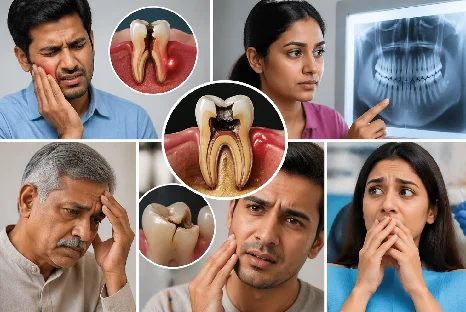
- Patients with severe or extensive infection that requires multiple stages of cleaning
- Individuals with complex root canal anatomy that needs more detailed treatment
- People with weakened immune systems or underlying health conditions
- Those with extreme tooth damage or fractures that require additional restoration work
- Patients who experience anxiety or discomfort during lengthy procedures and prefer more gradual treatment
Timeline of Single-Sitting Root Canal Treatment
- Consultation (10-15 minutes) : This is a typical time for the initial assessment, where the dentist will review your symptoms and perform a basic examination.
- Imaging and Examination (15-30 minutes) : A standard X-ray or 3D scan is taken to assess the infection and root structure.
- Root Canal Cleaning (1-2 hours) : The process of cleaning the infected canals, which often involves the use of a microscope or laser, generally lasts between 1 and 2 hours.
- Sealing and Filling (30-45 minutes) : After cleaning, the root canals are sealed to prevent future infection, and a temporary filling is placed.
- Permanent Restoration (30-60 minutes) : If you're having a permanent crown placed, it will be fitted during the same visit.
How Long Do Single-Sitting Root Canal Treatment Results Last
Single-sitting root canal treatment results can last anywhere from 5 to 15 years, or even a lifetime, with proper care and regular dental check-ups. However, the longevity depends on the severity of the infection, the quality of the restoration, and overall oral hygiene practices.
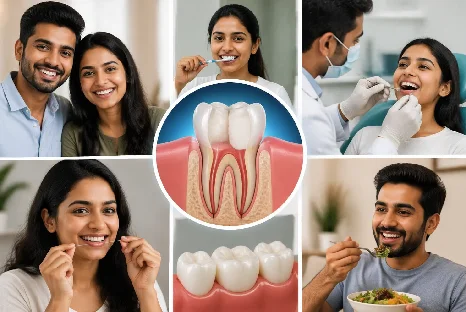
- Proper oral hygiene is essential to prevent future infections
- Regular check-ups with your dentist help monitor the health of your teeth
- A well-fitted restoration (crown or filling) ensures better longevity
- Avoiding excessive pressure on the treated tooth helps prevent damage
- Timely treatment of any new dental issues can prolong the tooth's lifespan
After-Care Tips for Long-Lasting Results
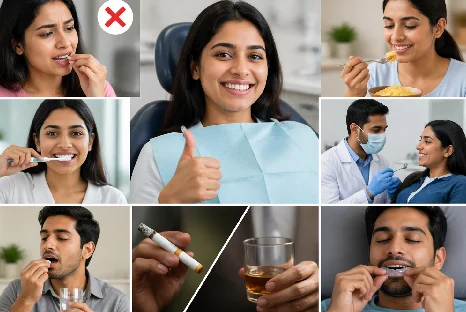
- Avoid chewing on the treated tooth until the permanent restoration is placed
- Stick to soft foods for the first few days to minimise pressure on the tooth
- Maintain good oral hygiene by brushing and flossing gently around the treated area
- Follow up with your dentist for regular check-ups and ensure the tooth is healing properly
- Take prescribed medications as directed to manage any discomfort or inflammation
- Avoid smoking and limit alcohol consumption, as they can hinder the healing process
- Wear a night guard if you grind your teeth to prevent damage to the restoration


Frequently Asked Questions
Can every infected tooth be treated in a single sitting of RCT?
Not always, teeth with severe infections or complicated root structures may need staged appointments for the best results.
Can a single-sitting root canal really clean the infection completely in one go?
Yes, modern techniques allow thorough cleaning and sealing in one visit. Proper case selection is the key to ensuring success.
Can you eat and drink normally right after a single-sitting root canal treatment?
Wait until numbness wears off, then start with soft foods to avoid stressing the treated tooth.
What happens if you skip or delay a single-sitting root canal treatment?
Untreated infections can spread, lead to abscesses, bone loss, or even tooth loss. Early treatment saves pain and cost later.
Can swelling or infection affect the ability to do a root canal in one visit?
Yes, active swelling or pus may mean your dentist prefers multiple visits to control infection first.