
Flexible Dentures in Kolkata

26
Years of Excellence
NABH
Accredited
60+
Dental Professionals
12K+
Happy Patients
50+
Dental TreatmentsProsthodontics
Flexible Dentures
Dentures
Crowns & Bridges
Full Mouth Reconstruction
6292109993
What are Flexible Dentures?
Flexible dentures are a type of removable denture made from a soft, flexible material that offers a more comfortable fit compared to traditional dentures. They are lightweight, durable, and designed to adapt to the contours of your gums, providing a natural look and feel.
Ready to smile without the hassle? Flexible dentures might just be the game-changer you need. Call Smile & Profile today to schedule your consultation and step into a world of comfort and confidence
Our Clinic Locations
Ready to Smile Again? Discover If Flexible Dentures Are Your Solution with Our Easy Quiz
Question 1 of 6
How do Flexible Dentures Work?
Flexible dentures use a soft, flexible material that moulds to the shape of your gums, providing a comfortable, secure fit. They offer greater mobility and are less likely to cause irritation than traditional dentures.
- Adapts to the shape of your gums for a comfortable fit
- Durable and less prone to breakage
- Blends with gums for a natural appearance
- Lighter and more comfortable than traditional dentures
- Easy to clean and maintain
- No visible metal parts for a more aesthetic look
Types of Flexible Dentures
Partial Flexible Dentures
- Designed to replace a few missing teeth
- Customizable to fit around natural teeth
- Lightweight and comfortable for extended wear
Full Flexible Dentures
- Used to replace all teeth in the upper or lower jaw
- Provides a more secure and natural fit
- Ideal for patients with significant tooth loss
Acrylic Flexible Dentures
- Made from a combination of acrylic and flexible materials
- Suitable for both partial and full dentures
- More affordable compared to other types
Valplast Flexible Dentures
- Known for its superior flexibility and comfort
- Offers a natural-looking finish with no visible metal
- Ideal for people with sensitive gums or allergies
Flexible Dentures vs Regular Dentures
 Flexible Dentures
 Regular Dentures
Soft, flexible material (e.g., nylon, resin)
Material
Hard acrylic or porcelain
Moulds to the gums for a more comfortable fit
Fit
Rigid and may require more adjustments
More resistant to breakage
Durability
More prone to cracking or chipping
Natural look with no visible metal
Appearance
May have visible metal clasps or parts
More comfortable, especially for extended wear
Comfort
Can cause irritation or discomfort
Lighter and more comfortabl
Weight
Heavier, especially with metal components
Easier to clean and maintain
Maintenance
Requires more care, especially with metal parts
Generally more expensive
Cost
More affordable compared to flexible ones
| Feature | Flexible Dentures | Regular Dentures |
|---|---|---|
| Material | Soft, flexible material (e.g., nylon, resin) | Hard acrylic or porcelain |
| Fit | Moulds to the gums for a more comfortable fit | Rigid and may require more adjustments |
| Durability | More resistant to breakage | More prone to cracking or chipping |
| Appearance | Natural look with no visible metal | May have visible metal clasps or parts |
| Comfort | More comfortable, especially for extended wear | Can cause irritation or discomfort |
| Weight | Lighter and more comfortable | Heavier, especially with metal components |
| Maintenance | Easier to clean and maintain | Requires more care, especially with metal parts |
| Cost | Generally more expensive | More affordable compared to flexible ones |
Who Should Avoid Flexible Dentures?
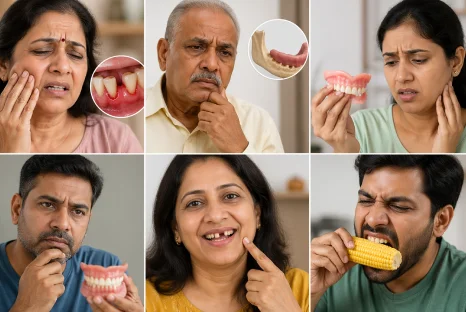
- Those with severe gum disease or oral health issues
- Individuals with significant jawbone loss
- People allergic to the denture material
- Those seeking permanent tooth replacements
- People with very few missing teeth
- Heavy chewers who need more durability
Timeline of Flexible Dentures
- Consultation (10–15 minutes) : Dentist assesses oral health, discusses options, and determines suitability for flexible dentures.
- Impression and Design (1–2 hours) : Moulds of teeth are taken, and custom flexible dentures are designed.
- Temporary Denture (1–2 weeks) : A temporary flexible denture is placed while the permanent one is crafted.
- Fitting (30–60 minutes) : The permanent flexible denture is placed, adjusted for fit, and secured in place.
- Follow-up (30 minutes) : Final adjustments are made to ensure comfort and proper function.
- Ongoing Adjustments (as needed) : Additional visits may be required to fine-tune and ensure long-term comfort.
How Long Do Flexible Dentures Last
Flexible dentures typically last between 5 and 7 years with proper care. Their durability can vary depending on the wearer's oral habits and maintenance.
- Regular cleaning and maintenance can extend their lifespan
- Avoid exposure to high temperatures to prevent damage
- Promptly address any discomfort or loose fittings to avoid further issues
- Proper storage when not in use helps preserve their shape and flexibility
- Regular dental check-ups ensure long-term comfort and functionality
After-Care Tips for Long-Lasting Results
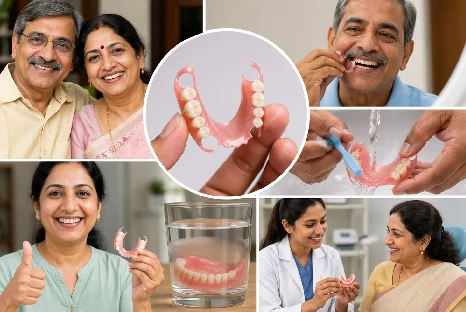
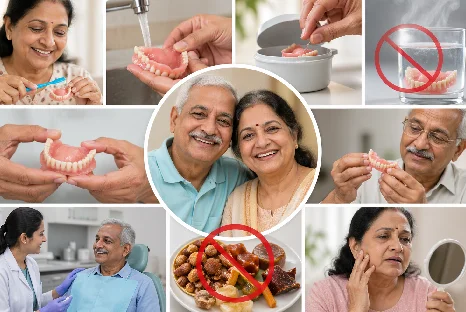
- Clean dentures daily with a soft brush and non-abrasive cleaner
- Rinse dentures thoroughly after eating to remove food particles
- Store dentures in a clean, dry container when not in use
- Avoid using hot water, which can warp the material
- Handle dentures carefully to avoid bending or damage
- Visit the dentist regularly for adjustments and check-ups
- Avoid chewing hard or sticky foods that can damage the dentures
- If discomfort arises, consult the dentist for adjustments


Frequently Asked Questions
Are your flexible dentures supposed to cause any soreness?
Some soreness is normal initially as your mouth adjusts. However, persistent pain should be addressed by your dentist to prevent long-term issues.
How can you prevent your flexible dentures from staining?
To prevent staining, clean your dentures daily and avoid foods and drinks that are likely to cause staining, such as coffee or red wine.
What can you do if your flexible dentures feel too tight?
If your dentures feel tight or uncomfortable, schedule an appointment with your dentist to have them adjusted for a better fit.
Can you eat with your flexible dentures right away?
You can eat with flexible dentures once they are fitted, but start with soft foods to allow your mouth to adjust comfortably.
Do flexible dentures need to be removed at night?
It’s recommended to remove your flexible dentures at night to give your gums a rest and prevent bacterial buildup.