
Tooth Filling in Kolkata

26
Years of Excellence
NABH
Accredited
60+
Dental Professionals
12K+
Happy Patients
50+
Dental TreatmentsGeneral Dentistry
Dental Filling
Root Canal Treatment
Dental Scaling
Teeth Extraction
6292109993
What is Tooth Filling?
Dental fillings restore teeth affected by cavities or decay, preventing further damage and improving function. Made from durable materials like composite resin, amalgam, or porcelain, they blend seamlessly with natural teeth for a long-lasting, aesthetically pleasing result.
Looking for reliable dental care? Visit Smile & Profile Dental Clinic for durable and natural-looking dental fillings that protect your teeth for years to come.
Our Clinic Locations
Do You Need a Tooth Filling? Find Out with Our Quick Quiz
Question 1 of 6
How does Teeth Filling Work?
Teeth fillings restore decayed or damaged teeth by filling cavities with durable materials like composite resin or amalgam to prevent further decay and restore functionality.
- The decayed part of the tooth is removed
- The cavity is filled with materials like resin, amalgam, or porcelain
- The filling is shaped and hardened
- Adjustments are made for a comfortable bite
- The filling seals the cavity to prevent further decay
Types of Tooth Fillings
Composite Resin Fillings
- Tooth-colored, blends well with natural teeth.
- Ideal for visible areas.
- Durable but may wear over time.
Amalgam Fillings
- Silver-colored, made of a mix of metals.
- Highly durable and long-lasting.
- Suitable for back teeth, less aesthetic.
Porcelain Fillings
- Tooth-colored, natural-looking.
- Stain-resistant and durable.
- More expensive than other types.
Gold Fillings
- Made from a gold alloy.
- Extremely durable and long-lasting.
- High cost and requires multiple visits.
Glass Ionomer Fillings
- Releases fluoride to help prevent further decay.
- Suitable for areas not exposed to heavy chewing.
- Less durable than other types.
Self-Ligating Braces
- Use clips instead of elastic bands to hold the wire
- Require fewer dental visits
- Easier to clean and maintain
- Can be metal or ceramic
Comparison Between Tooth Filling vs Root Canal Treatment
 Tooth Filling
 Root Canal Treatment
Restores a decayed or damaged tooth.
Purpose
Treats infection or damage to the pulp of the tooth.
Involves removing decay and filling the cavity.
Procedure
Involves removing the infected pulp, cleaning, and sealing the tooth
Typically completed in one visit.
Time
May require multiple visits, depending on the complexity.
Minimal discomfort; usually no anaesthesia required.
Pain Level
Moderate pain during and after the procedure. Local anaesthesia is used.
Lasts several years, but may need replacement over time.
Durability
Can last a lifetime with proper care.
Cavities, small cracks, and chips.
Common Issues Treated
Severe decay, infection, or damage to the tooth pulp.
Simple care, with occasional adjustments.
Post-Treatment Care
Requires follow-up visits for crowns and ongoing monitoring.
Tooth-colored fillings blend well with natural teeth.
Aesthetic Outcome
Often requires a crown for a more natural appearance.
| Feature | Tooth Filling | Root Canal Treatment |
|---|---|---|
| Purpose | Restores a decayed or damaged tooth. | Treats infection or damage to the pulp of the tooth. |
| Procedure | Involves removing decay and filling the cavity. | Involves removing the infected pulp, cleaning, and sealing the tooth. |
| Time | Typically completed in one visit. | May require multiple visits, depending on the complexity. |
| Pain Level | Minimal discomfort; usually no anaesthesia required. | Moderate pain during and after the procedure. Local anaesthesia is used. |
| Durability | Lasts several years, but may need replacement over time. | Can last a lifetime with proper care. |
| Common Issues Treated | Cavities, small cracks, and chips. | Severe decay, infection, or damage to the tooth pulp. |
| Post-Treatment Care | Simple care, with occasional adjustments. | Requires follow-up visits for crowns and ongoing monitoring. |
| Aesthetic Outcome | Tooth-colored fillings blend well with natural teeth. | Often requires a crown for a more natural appearance. |
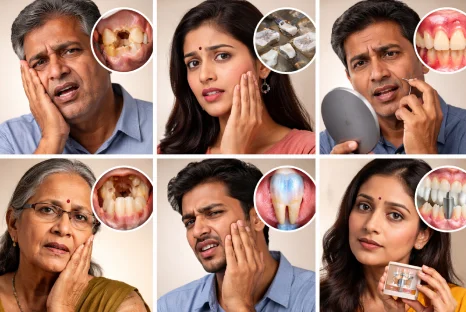
Who Should Avoid Dental Fillings?
- Severe tooth decay that can't be restored with a filling
- Allergies to materials used in fillings, such as metal or resin
- Active gum disease or untreated oral infections
- Insufficient tooth structure to support a filling
- Extreme tooth sensitivity is making filling placement difficult
- Preference for alternative treatments like crowns or implants
Timeline of Teeth Filling
- Preparation (5-10 minutes) - The dentist will numb the area with a local anaesthetic to ensure you feel no pain during the procedure.
- Cavity Cleaning (10-15 minutes)- The decayed portion of the tooth is removed, and the cavity is cleaned to eliminate bacteria.
- Filling Placement (10-20 minutes) - The chosen filling material is applied in layers and shaped to match the tooth's natural contours.
- Hardening and Shaping (5-10 minutes) - The filling is hardened using a special light (for composite resin) or air-dried, followed by adjustments for a comfortable bite.
- Final Checks (5-10 minutes) - The dentist ensures the filling fits properly and makes any necessary adjustments. The procedure is typically completed in one visit.
How Long Does a Tooth Filling Last
A tooth filling typically lasts between 5 and 15 years, depending on the material used and oral care habits.
- Composite fillings last 5-7 years, while amalgam and gold fillings can last 10-15 years
- Proper brushing, flossing, and regular dental visits can extend the lifespan of your filling
- Fillings in back teeth may wear out faster due to heavy chewing pressure
- Habits like grinding teeth or chewing hard foods can shorten the lifespan of fillings
- Over time, fillings may crack, chip, or loosen, requiring replacement or repair
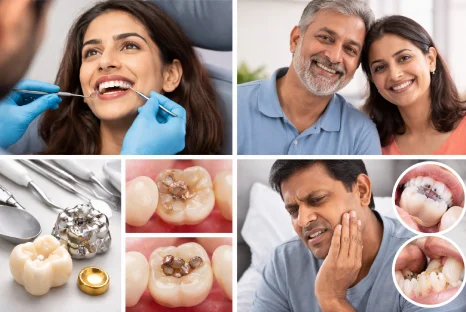

After-Care Tips for Long-Lasting Results
- Avoid hard foods or ice for the first 24 hours
- Brush and floss regularly, but gently around the filling
- Visit the dentist regularly for check-ups
- Avoid sticky or chewy foods, especially in the first few days
- Contact the dentist if you experience discomfort or sensitivity


Frequently Asked Questions
You feel a sharp pain in one tooth. Should you get a filling?
Sharp pain could be a sign of decay or a crack in the tooth. It’s important to see a dentist to determine if a filling is needed.
Your filling fell out. Is that normal?
If a filling falls out, it may be due to wear and tear or a weakened tooth. A visit to the dentist is necessary to replace it.
Is it normal to have a bad taste in your mouth near a filling?
Bad taste could indicate an issue with the filling, such as decay underneath it, and should be checked by the dentist.
Can a filling help with tooth discolouration?
Yes, dental fillings, especially composite or porcelain fillings, can help restore the appearance of a discoloured or decayed tooth.
Why is your tooth throbbing after getting a filling?
Throbbing pain after a filling could be due to inflammation or an infection, and may require a check-up to ensure the filling is properly placed.