
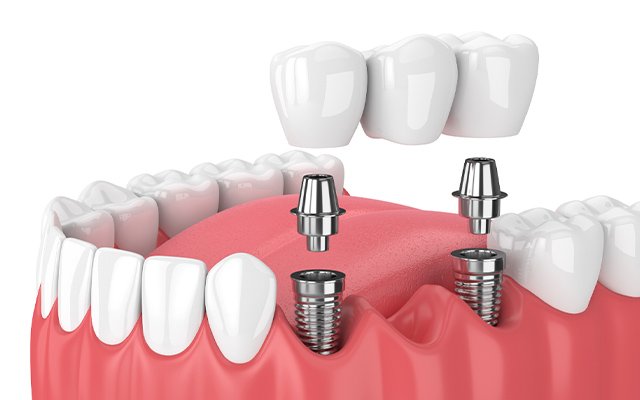
Adult tooth loss is most commonly caused by gum disease, tooth decay, trauma, smoking, teeth grinding, and certain medical conditions. While a lost natural tooth cannot be replaced, modern dental implants can replace missing tooth roots, restore chewing ability, preserve jawbone health, and support natural facial structure.
At Smile & Profile Dental Treatment Centre, in Kolkata, dental implants are carefully designed to look, feel, and function like natural teeth, helping restore both confidence and long-term oral function.
Common Causes of Tooth Loss: A Quick Overview
| Common Causes of Tooth Loss | How It Can Lead to Tooth Loss |
| Advanced Gum Disease (Periodontal Disease) | Weakens the gums and jawbone that support the teeth. |
| Untreated Tooth Decay | Destroys tooth structure due to deep decay and infection. |
| Dental Trauma or Injury | Cracks, fractures, or knocked-out teeth. |
| Failed Root Canal Treatment | Recurrent infection or structural damage makes the tooth unsalvageable. |
| Teeth Grinding (Bruxism) | Wears down teeth and increases the risk of fractures and loosening. |
| Uncontrolled Diabetes | Raises the risk of gum disease and slows healing. |
| Smoking and Tobacco Use | Accelerates gum disease and bone loss around the teeth. |
| Osteoporosis | Reduces jawbone density, weakening tooth support. |
| Poor Oral Hygiene | Leads to plaque buildup, tooth decay, and gum disease. |
| Missing or Misaligned Teeth | Creates uneven bite forces that stress neighbouring teeth. |
10 Common Causes of Tooth Loss Explained: Detailed Breakdown
1. Advanced Gum Disease (Periodontal Disease)
Advanced gum disease damages the gums, ligaments, and jawbone that support the teeth. As the supporting structures weaken, teeth may become loose and eventually fall out or require extraction.
Warning Signs
- Bleeding gums
- Gum recession
- Persistent bad breath
- Swollen gums
- Loose teeth
2. Untreated Tooth Decay
Severe tooth decay can spread deep into the tooth, causing infection, pain, and irreversible damage. When the tooth cannot be restored with a filling or root canal, extraction may be the only option.
Warning Signs
- Persistent toothache
- Sensitivity to hot or cold foods
- Visible cavities or dark spots
- Swelling around the tooth
- Pain while chewing
3. Dental Trauma or Injury
Accidents, sports injuries, falls, or hard impacts can crack, fracture, or completely knock out a tooth. In some cases, the damage is too extensive to save the tooth.
Warning Signs
- Chipped or broken tooth
- Tooth knocked out
- Pain after an injury
- Bleeding from the gums
- Difficulty biting
4. Failed Root Canal Treatment
Although root canal treatment successfully saves many teeth, some may develop recurrent infections or hidden cracks. When retreatment is not possible, tooth removal may be recommended.
Warning Signs
- Recurring tooth pain
- Swelling near the treated tooth
- Gum abscess or pus
- Tooth tenderness
- Persistent sensitivity
5. Teeth Grinding (Bruxism)
Constant grinding or clenching places excessive pressure on the teeth and supporting bone. Over time, this can lead to fractures, loose teeth, and eventual tooth loss.
Warning Signs
- Worn or flattened teeth
- Jaw pain or stiffness
- Frequent headaches
- Chipped teeth
- Tooth sensitivity
6. Uncontrolled Diabetes
Poorly controlled diabetes increases the risk of severe gum disease by slowing healing and reducing the body’s ability to fight infections, making tooth loss more likely.
Warning Signs
- Bleeding gums
- Frequent gum infections
- Loose teeth
- Dry mouth
- Slow healing after dental treatment
7. Smoking and Tobacco Use
Smoking restricts blood flow to the gums, weakens the immune response, and increases the risk of gum disease. These effects significantly raise the likelihood of tooth loss.
Warning Signs
- Persistent bad breath
- Gum recession
- Loose teeth
- Delayed healing after dental procedures
- Stained teeth with inflamed gums
8. Osteoporosis
Osteoporosis weakens bones throughout the body, including the jawbone. Reduced bone strength may decrease tooth support, contributing to tooth mobility and loss.
Warning Signs
- Loose teeth
- Receding gums
- Changes in bite alignment
- Jawbone shrinkage
- Difficulty wearing dentures
9. Poor Oral Hygiene
Inadequate brushing and flossing allow plaque and tartar to build up, increasing the risk of cavities and gum disease that can eventually lead to tooth loss.
Warning Signs
- Plaque or tartar buildup
- Bleeding while brushing
- Tooth decay
- Persistent bad breath
- Inflamed gums
10. Missing or Misaligned Teeth
A missing tooth can cause neighbouring teeth to shift, while misaligned teeth create uneven biting forces. Over time, these changes may weaken surrounding teeth and increase the risk of tooth loss.
Warning Signs
- Gaps between teeth
- Teeth shifting position
- Uneven bite
- Difficulty chewing
- Increased tooth wear
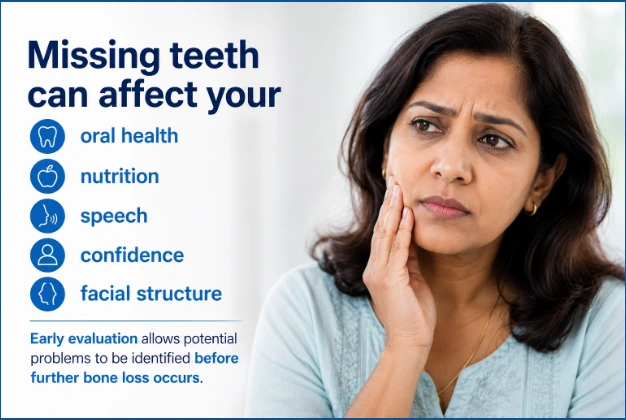
What Happens When Missing Teeth Are Not Replaced?
Functional Consequences
- Difficulty chewing certain foods
- Reduced dietary choices
- Bite imbalance
- Speech difficulties
Structural Consequences
- Progressive jawbone loss
- Drifting of adjacent teeth
- Increased stress on remaining teeth
- Changes in bite alignment
Aesthetic Consequences
- Facial volume reduction
- Sunken cheeks
- Premature aging appearance
- Altered smile aesthetics
How Do Dental Implants Restore Natural Tooth Function?
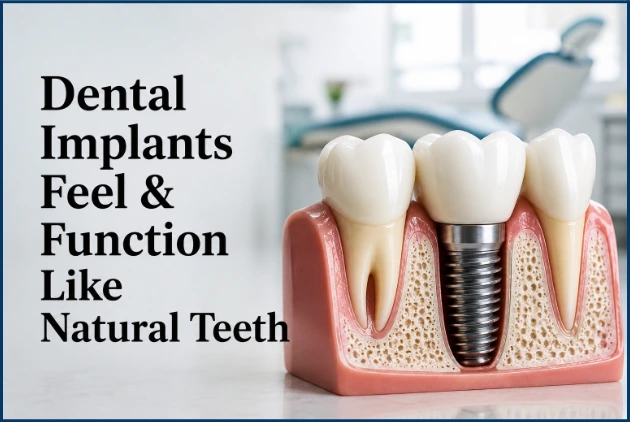
Unlike bridges or removable dentures, implant-supported tooth replacement integrates with the jawbone to provide long-term stability, preserve bone volume, and support natural chewing function.
Components of a Dental Implant
- Titanium Implant Post: Surgically placed into the jawbone to replace the missing root.
- Abutment: Connects the implant post to the final restoration.
- Dental Crown: The visible tooth-colored restoration.
The implant integrates with the surrounding bone through a biological process called osseointegration, creating a stable and long-lasting foundation.
Who Is a Suitable Candidate for Dental Implants?
Implant tooth replacement may be suitable for patients or individuals
- Missing a single tooth or multiple teeth
- Wearing removable dentures
- Considering full-mouth rehabilitation
- Having healthy gums and adequate bone support
- With bone loss following grafting procedures
A comprehensive clinical evaluation and diagnostic imaging are required to determine candidacy.
Closing Insights
- Tooth loss is most commonly caused by gum disease, severe tooth decay, dental trauma, tooth infections, smoking, teeth grinding, poor oral hygiene, ageing, certain medical conditions, and failed dental restorations.
- Dental implants replace both the missing tooth root and crown, helping restore natural chewing function while preserving jawbone support.
- Patients with single, multiple, or complete tooth loss may be suitable candidates for implant treatment following a comprehensive dental evaluation.
- For individuals seeking a durable, natural-looking tooth replacement solution, implants can help restore long-term oral function, comfort, and confidence.
If you are considering dental implants to regain your confident smile, schedule a consultation at any of our convenient clinics across Kolkata.
Call 062921 09993 and schedule a visit today.
People Also Ask
1. Is tooth loss always a sign of poor oral health?
No. Tooth loss can also result from dental injuries, inherited risk factors, certain medications, or underlying medical conditions, even in individuals who maintain good oral hygiene.
2. Can tooth loss affect overall nutrition?
Yes. Missing teeth may reduce chewing efficiency, making it harder to eat certain nutritious foods and potentially affecting long-term nutritional intake.
3. Can acid reflux increase the risk of tooth loss?
Yes. Frequent acid exposure can erode tooth enamel, increasing the risk of tooth decay and other dental problems that may contribute to tooth loss.
4. Does dry mouth increase the risk of tooth loss?
Yes. Reduced saliva allows bacteria to accumulate more easily, increasing the likelihood of tooth decay, gum disease, and eventual tooth loss.
5. Can vitamin deficiencies affect tooth health?
Yes. Inadequate levels of nutrients such as vitamin D and calcium may weaken the supporting structures of the teeth and affect overall oral health.
6. Can tooth loss affect speech over time?
Yes. Missing teeth, particularly front teeth, may interfere with the pronunciation of certain sounds and reduce speech clarity.
7. Is tooth loss a warning sign that should never be ignored?
Yes. Tooth loss may indicate an underlying dental or systemic condition that requires timely evaluation to help prevent further oral complications.
8. What should be brought to a tooth replacement consultation?
Patients should bring previous dental records, X-rays or scans if available, a list of current medications, and relevant medical history.
9. What questions should be asked during a tooth replacement consultation?
Patients may ask about suitable treatment options, expected longevity, recovery time, maintenance requirements, costs, and whether additional procedures are needed.
10. How is a personalised tooth replacement plan created?
The dentist evaluates oral health, medical history, jawbone condition, lifestyle factors, and patient goals to recommend the most appropriate treatment approach.