

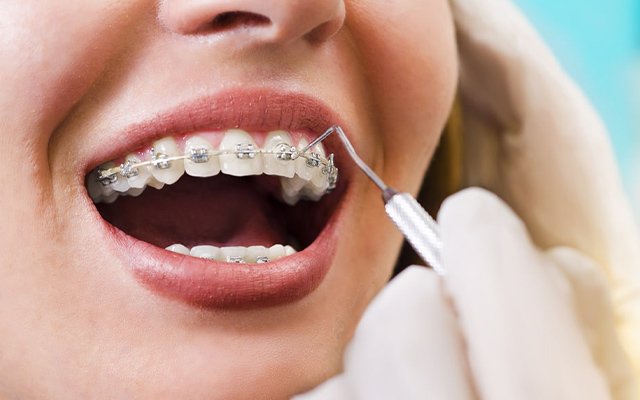
Crooked teeth, bite problems, and jaw misalignment often develop gradually and may become more noticeable over time.
Many people delay orthodontic treatment because the symptoms seem minor initially, but untreated alignment issues can eventually affect oral hygiene, chewing efficiency, speech, and long-term dental stability.
Who Needs Orthodontic Treatment?
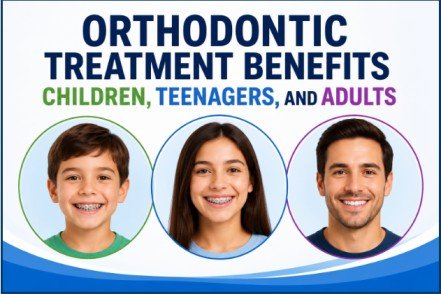
Misaligned teeth and bite problems affect more than appearance.
Orthodontic treatment helps correct tooth alignment, bite function, jaw balance, speech clarity, and long-term oral health.
Children, teenagers, and adults can all benefit from early orthodontic evaluation.
Early orthodontic evaluation can help determine the right time and approach for correction.
At Smile & Profile Dental Treatment Centre, we encourage early evaluation when warning signs appear, as timely treatment can help prevent more complicated dental problems later.
Many orthodontic concerns extend beyond appearance and can impact how you bite, chew, speak, and maintain oral hygiene.
Here are 10 Signs that you need an orthodontic treatment.
1. Crooked or Crowded Teeth
Why Crowding Needs Orthodontic Attention
Crowding occurs when teeth lack sufficient space to align properly, leading to overlapping or rotated teeth.
Clinical Problems Linked to Crowding
- Plaque buildup in hard-to-clean areas
- Higher risk of cavities
- Gum inflammation and bleeding
- Uneven chewing forces
- Accelerated enamel wear
| Crowding Pattern | Clinical Impact |
| Overlapping teeth | Poor hygiene access |
| Rotated teeth | Plaque retention |
| Tight spacing | Gum irritation |
| Misalignment | Bite stress |
Visible overlap or difficulty with cleaning often indicates early orthodontic imbalance. Early evaluation helps prevent progression into more complex bite issues.
2. Gaps or Spacing Between Teeth
Why Spaces Develop
Spacing may occur due to missing teeth, jaw-size mismatch, tongue habits, or gum-related changes.
Functional Concerns
- Food trapping between teeth
- Speech changes in some cases
- Tooth drifting over time
- Gum irritation in open spaces
| Spacing Type | Common Cause |
| Front gap | Tongue pressure |
| Multiple gaps | Jaw mismatch |
| Sudden spacing | Gum disease |
| Single gap | Missing tooth |
Even small gaps can gradually affect bite stability. This stage responds best to timely orthodontic correction.
3. Bite Problems (Overbite, Underbite, Crossbite, Open Bite)
How Bite Misalignment Affects Function
When upper and lower teeth do not meet properly, chewing forces become uneven.
Types of Bite Issues
| Bite Type | Functional Problem |
| Overbite | Excess front tooth pressure |
| Underbite | Chewing imbalance |
| Crossbite | Jaw asymmetry |
| Open bite | Speech + biting difficulty |
Long-Term Effects
- Jaw joint strain
- Uneven tooth wear
- Difficulty chewing
- Facial imbalance in severe cases
A clinical bite assessment helps identify hidden alignment issues early. Early correction improves long-term stability and function.
4. Difficulty Chewing or Biting Food
Why Chewing Becomes Uneven
Misaligned teeth force the jaw to compensate, often leading to one-sided chewing.
Warning Signs
- Pain while biting food
- Jaw fatigue during meals
- Avoiding one side of chewing
- Poor food breakdown
| Symptom | Likely Cause |
| One-sided chewing | Bite imbalance |
| Jaw fatigue | Occlusal stress |
| Pain on biting | Misalignment |
| Poor chewing | Uneven force |
Chewing difficulty often reflects an underlying bite imbalance. Delaying assessment may increase the complexity of future treatment.
5. Jaw Pain, Clicking, or TMJ Discomfort
Connection Between Bite and Jaw Joint
Improper alignment can place excess strain on the temporomandibular joint (TMJ).
Common Symptoms
- Clicking or popping sounds
- Jaw stiffness in the morning
- Facial muscle fatigue
- Headaches near temples
| Symptom | Possible Cause |
| Clicking jaw | Bite imbalance |
| Jaw soreness | Muscle overload |
| Limited movement | Joint strain |
| Headache | Referred tension |
A structured bite evaluation helps determine if alignment is contributing to TMJ stress. A clinical review is recommended to accurately assess severity.
6. Mouth Breathing or Snoring
How Orthodontics Affects the Airway
Jaw position and arch width influence tongue posture and airflow.
Associated Signs
- Chronic mouth breathing
- Dry mouth after sleep
- Snoring
- Poor sleep quality
| Sign | Structural Link |
| Mouth breathing | Narrow arch |
| Snoring | Reduced airway space |
| Dry mouth | Poor lip seal |
| Fatigue | Sleep disruption |
Orthodontic evaluation may help identify structural contributors to airway restriction. Early evaluation can help address structural causes before they worsen.
7. Speech Difficulties or Lisping
Role of Teeth in Speech
Proper tooth alignment supports correct tongue placement during speech.
Common Issues
- Lisping
- Difficulty pronouncing “S” or “T” sounds
- Tongue thrust habits
| Speech Issue | Possible Cause |
| Lisp | Open bite |
| Distortion | Spacing |
| Tongue thrust | Misalignment |
| Speech strain | Bite imbalance |
Speech issues can sometimes reflect alignment problems. Early correction may improve both function and speech clarity.
8. Frequent Cheek or Tongue Biting
Why It Happens
Misaligned teeth can trap soft tissues during chewing.
Warning Signs
- Repeated cheek biting
- Tongue injuries while eating
- Mouth ulcers
- Inner cheek irritation
| Problem | Cause |
| Cheek biting | Crossbite |
| Tongue injury | Misaligned bite |
| Ulcers | Repeated trauma |
| Irritation | Crowding |
If recurrent, it often indicates structural interference in the bite. Early evaluation helps prevent ongoing soft tissue injury.
9. Uneven Tooth Wear or Chipping
How Misalignment Damages Teeth
Uneven bite pressure creates excessive stress on specific teeth.
Signs of Wear
- Flattened biting surfaces
- Chipped enamel
- Tooth sensitivity
- Small cracks in teeth
| Wear Pattern | Cause |
| Chipping | Bite imbalance |
| Enamel loss | Grinding stress |
| Cracks | Uneven force |
| Sensitivity | Dentin exposure |
Wear patterns often indicate long-standing bite imbalance. Early correction helps preserve enamel and prevent long-term damage.
10. Protruding Front Teeth
Why Protrusion Is a Concern
Forward-positioned teeth are more exposed to trauma and functional imbalance.
Associated Risks
- Higher risk of injury
- Lip strain during closure
- Speech concerns
- Bite imbalance
| Issue | Risk |
| Forward teeth | Trauma exposure |
| Lip strain | Poor closure |
| Bite imbalance | Uneven wear |
| Protrusion | Fracture risk |
Protrusion is both a functional and protective concern. Timely corrections improve protection, functionality, and stability.
When Should You See an Orthodontist?
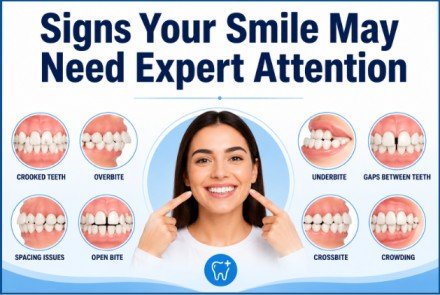
Key Warning Signs
- Crooked or crowded teeth
- Bite discomfort
- Jaw pain or clicking
- Speech issues
- Frequent soft tissue biting
- Visible misalignment
Can Adults Get Treatment?
Yes. Orthodontic treatment is effective for children, teenagers, and adults.
| Age Group | Main Goal |
| Children | Jaw development guidance |
| Teenagers | Bite correction |
| Adults | Alignment & stability |
Even mild symptoms may indicate early orthodontic imbalance. A clinical evaluation helps determine whether treatment or monitoring is needed.
Orthodontic Treatment Easily Accessible in Kolkata
Common Solutions
- Metal braces
- Ceramic braces
- Clear aligners
- Invisalign treatment
- Self-ligating braces
- Child orthodontic treatment
- Adult orthodontic treatment
- Preventive orthodontics
- Interceptive orthodontics
- Retainers and post-braces care
- Orthodontic consultation and bite analysis
What Influences Treatment Choice
- Severity of misalignment
- Age
- Oral health condition
- Lifestyle preferences
Visit Smile & Profile Dental Treatment Centre for personalised Orthodontic Treatment in Kolkata
If you are noticing crowding, bite issues, or jaw discomfort, don’t delay treatment, as problems can become more complex over time.
Call 062921 09993 now to book your consultation.
People Also Ask About Orthodontic Treatment
How long does orthodontic treatment usually take?
Treatment duration varies depending on bite complexity, the amount of tooth movement required, and the type of orthodontic appliance used.
Is tooth extraction always required before braces?
No. Tooth extraction is recommended only in selected cases where severe crowding or space limitation affects alignment planning.
Do braces affect eating habits?
Certain hard, sticky, or crunchy foods are usually restricted during braces treatment to reduce appliance damage and discomfort.
How often are orthodontic follow-up visits needed?
Most orthodontic patients require periodic follow-up appointments to monitor tooth movement and make necessary adjustments.
Can clear aligners be removed while eating?
Yes. Clear aligners are typically removed during meals and while consuming beverages other than plain water.
Does orthodontic treatment affect brushing and flossing?
Orthodontic appliances require more detailed oral hygiene routines to prevent plaque accumulation around brackets and wires.
What factors influence orthodontic treatment cost?
Treatment complexity, appliance type, treatment duration, and the number of corrections required commonly influence overall cost.